

Cypermethrin 25% EC

Protecting Crop Potential from Persistent Pest Damage.

Cypermethrin 25% EC

Category:
  • Share:
Description

Cypermethrin 25% is a synthetic pyrethroid. It belongs to the pyrethroid ester class. It is widely used in agriculture for killing various chewing and sucking insect pests. It degrades quickly in soil and plants but can last for weeks when applied to inert indoor surfaces. Its decomposition will be expedited by exposure to sunlight, water, and oxygen.

Cypermethrin acts through contact and stomach action, disrupting the normal function of insect nerve cells. It causes paralysis and rapid knockdown and therefore death of those target pests.
Reviews

Reviews

There are no reviews yet.

Add Review
Be the first to review “Cypermethrin 25% EC”

Your email address will not be published. Required fields are marked *

Key Benefits

It is a fast-acting neurotoxin.

Controls insects immediately after application.

A low dosage is enough to control pests.

Leaves no residue on the crops.

Method of Application & Dosage

Crop(s) Target / Benefit Dosage & Application Guidelines
Cotton Bolloworms, Thrips & Jassids 64-112ml/acre
Brinjal Shoot and fruit borer, Epilachna grub, Jassids 60-80ml/acre
Bhindi Shoot and fruit borer, Jassids 60-80ml/acre

Frequently Asked Questions (FAQS)

What is Cypermethrin 25% EC used for?

It is a broad spectrum insecticide used to control a wide range of chewing and sucking insect pests in various crops.

Which pests does it control? +

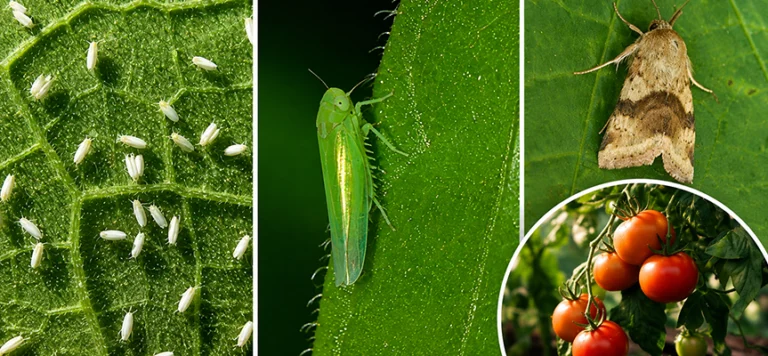
It effectively controls caterpillars, bollworms, borers, aphids, thrips, jassids, and other insect pests depending on the crop.

When should Cypermethrin 25% EC be applied? +

Apply it at the early stage of pest infestation when insects are actively feeding for better control.

What are the key benefits of Cypermethrin 25% EC? +

It provides fast knockdown action, broad spectrum insect control, effective pest suppression, and helps protect crop yield and quality.

How does Cypermethrin 25% EC work? +

It acts through contact and stomach action by disrupting the insect nervous system, causing paralysis and eventual death.