
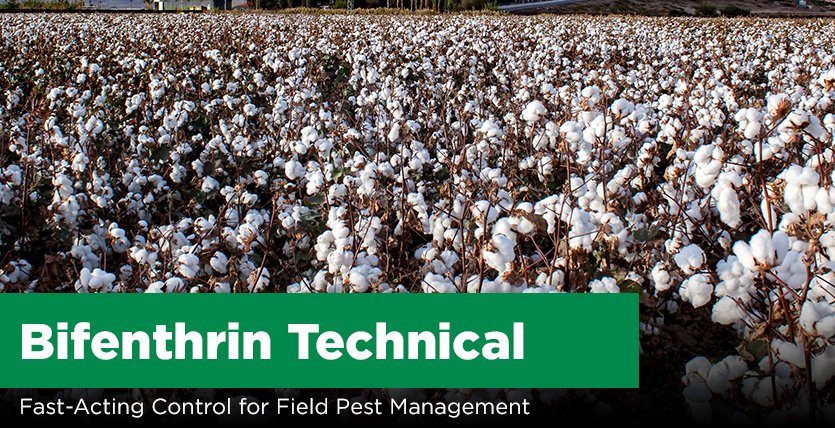
In most crops, pest problems rarely appear suddenly in a heavy form. They usually begin with a small population, a few aphids on tender leaves, some early thrips damage, or light feeding by caterpillars. At this stage, the crop still looks manageable, but if ignored, the situation can turn serious within a few days. This is why timely pest control plays a key role in protecting yield.
Bifenthrin Technical is commonly used in such conditions where quick response and reliable control are needed. It has been part of many pest management programs because it handles multiple insects without making the spray plan complicated.
Understanding Bifenthrin in Practical Terms
Bifenthrin belongs to the synthetic pyrethroid group of insecticides. In simple terms, it works by affecting the nervous system of insects.
When pests come in contact with the treated surface or feed on it, their normal nerve signals get disturbed. This leads to loss of coordination, reduced movement and eventually death. Because of this, farmers often notice a quick knockdown effect after spraying.
How It Performs in the Field
One of the reasons Bifenthrin is preferred is its fast action. Insects start getting affected soon after exposure, which helps in stopping further damage.
At the same time, it does not vanish immediately. It remains active on the plant surface for some time, which helps in controlling newly arriving pests as well. This balance of quick action and short residual effect makes it useful during active pest periods.
Pests It Commonly Controls
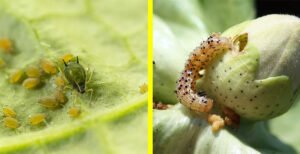
In field conditions, crops are often attacked by more than one pest at a time. Bifenthrin helps in managing such mixed infestations.
It is widely used against
• Aphids, jassids and thrips
• Caterpillars and larvae
• Some soil-related insects like termites
Because of this wide coverage, it reduces the need for multiple different insecticides in one spray schedule.
Crop Usage
Bifenthrin Technical finds use across different crops depending on pest pressure
- Cotton fields where sucking pests and larvae appear together
• Vegetable crops where continuous monitoring is needed
• Pulses and oilseeds during early growth stages
• Fruit crops where leaf damage affects plant development
Early stage protection in these crops often makes a visible difference in final yield.
Application Approach
In most cases, the success of pest control depends more on timing than on the product itself.
- Spray at the beginning of pest activity
• Ensure proper coverage on leaves, especially the underside
• Evening sprays generally perform better due to stable conditions
Waiting for visible heavy damage often reduces the effectiveness of any insecticide.
Key Benefits in the Field
- Quick action on active pests
• Works on multiple insect types
• Helps reduce early crop damage
• Provides short-term protection against re-infestation
Conclusion
Pest control is not just about reacting to damage, it is about managing the situation before it spreads. Bifenthrin Technical supports this approach by offering fast and dependable control at the right time.
When used properly, it helps protect crops during critical stages and supports better growth and yield outcomes.
FAQs
- What pests does Bifenthrin control?
It controls sucking pests like aphids and thrips, along with caterpillars and some soil insects. - How quickly does it work?
It starts affecting pests soon after contact, so results are usually visible early. - When should it be applied?
At the early stage of pest infestation for best results. - Can it be used repeatedly?
It is better to rotate with other insecticides to avoid resistance. - Is it suitable for multiple crops?
Yes, it is used in crops like cotton, vegetables, pulses and fruits.