
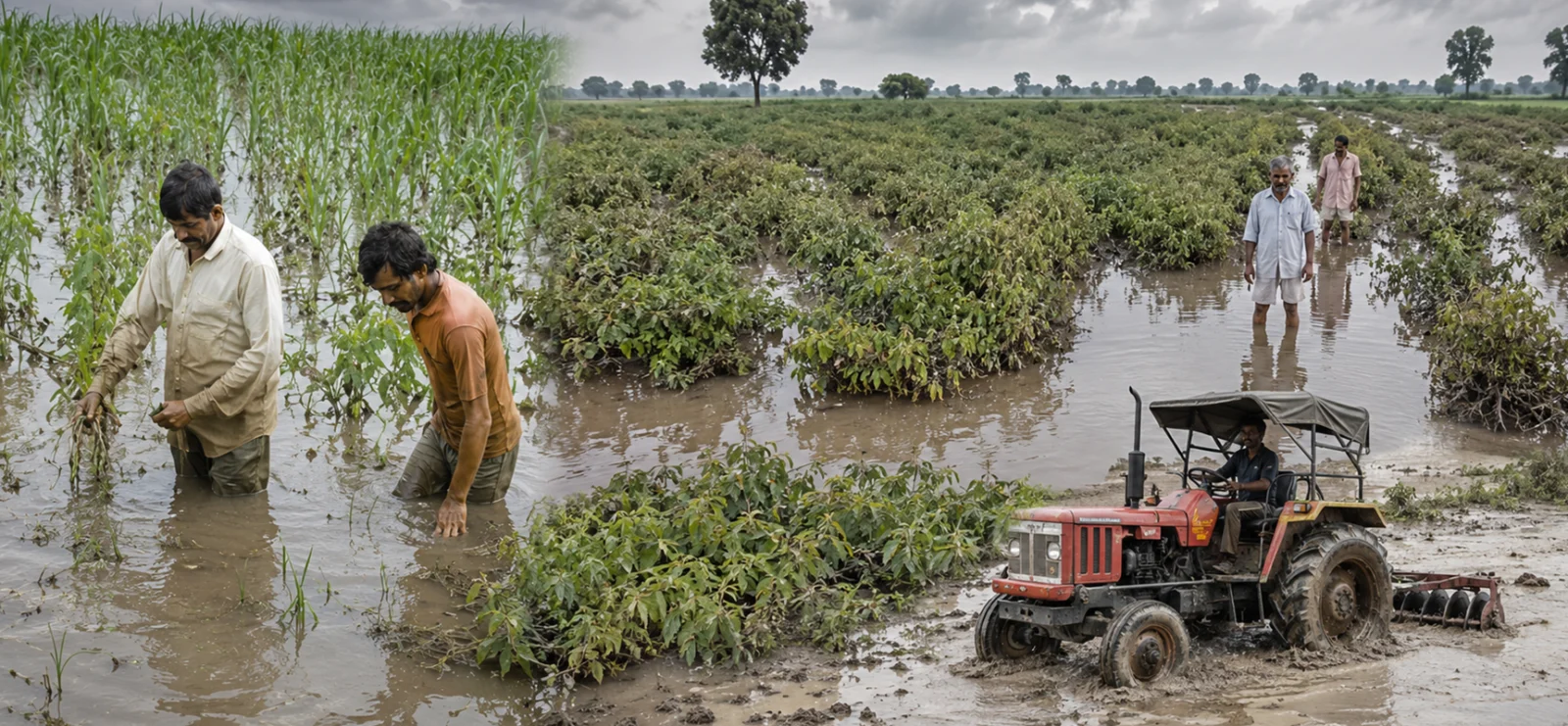
Heavy Rainfall, Kharif Season, Heavy Rains, Crop Compensation
The primary seasonal crops cotton and paddy, suffered significant losses due to the severe rainfall during this kharif season.
Farmers in Punjab and Haryana are concerned since the rain during this time was unfavourable as the paddy crop was already being harvested.
Paddy...
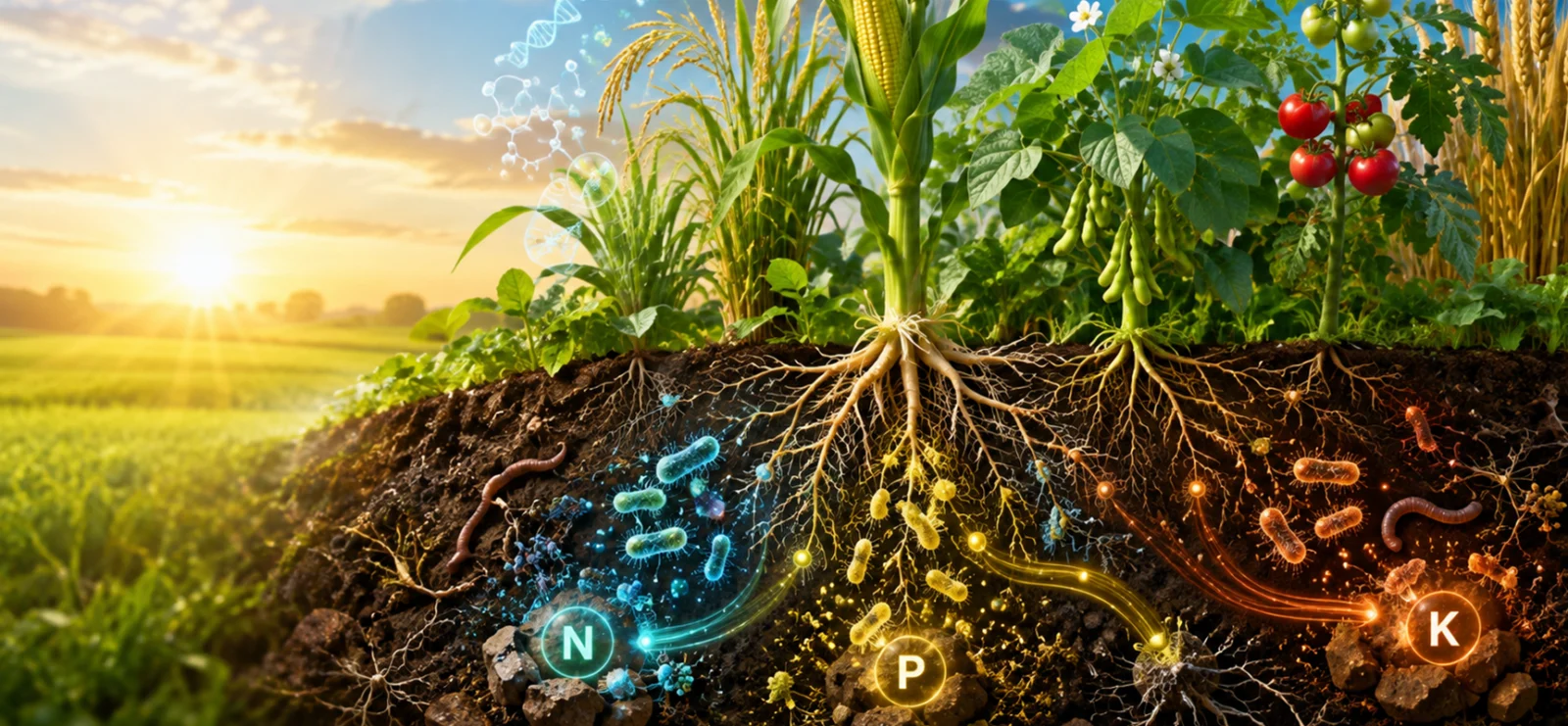
Why Do Your Plants Need Bio NPK?
When you don’t eat well, everyone says you won’t grow because you aren’t getting enough nutrition.
And it’s true too; you need all the nutrients for your complete growth and development.
The same is applied to plants.
They also need nutrition for their...
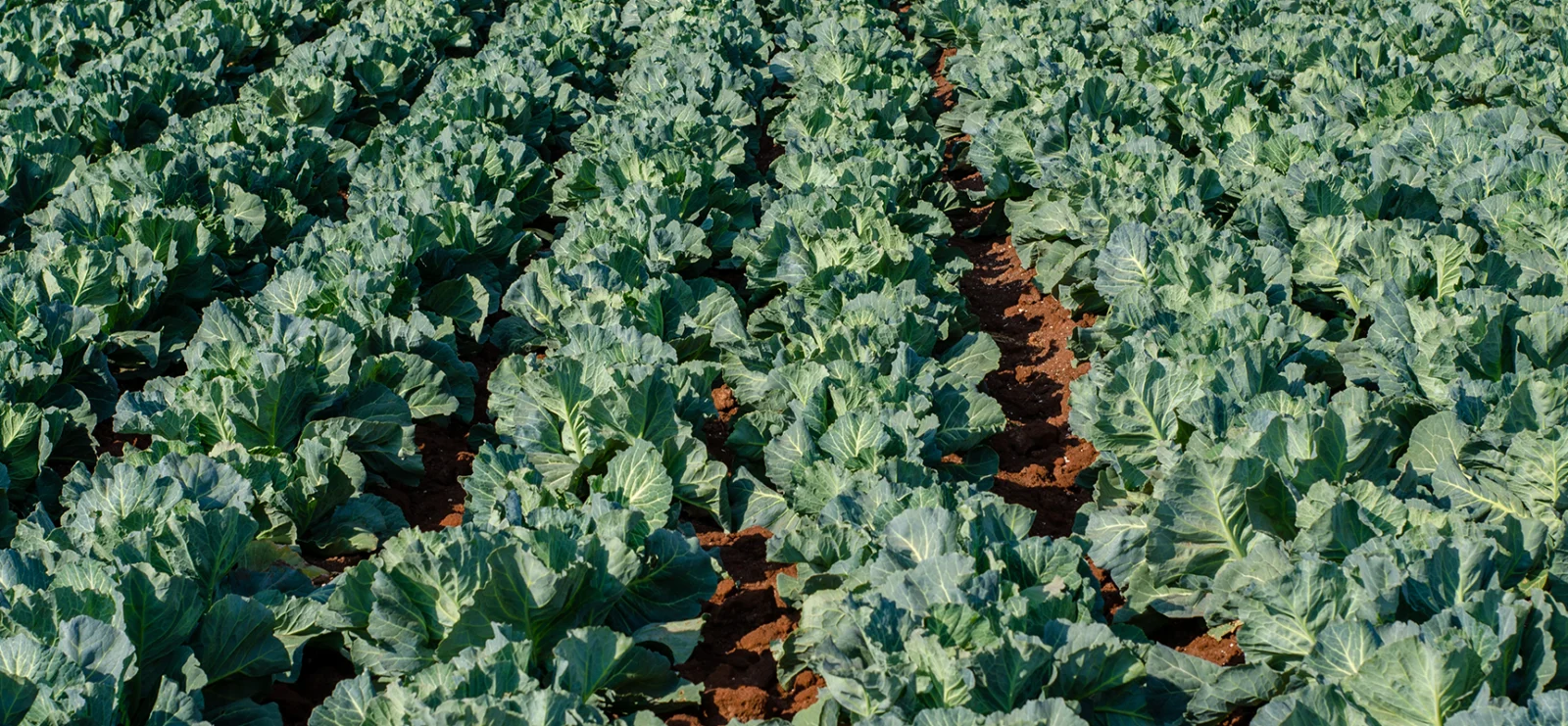
Bacillus thuringiensis var. kurstaki: Nature’s Precise Pest Control Solution
In the dynamic world of agriculture, the pursuit of sustainable and environmentally friendly pest management practices has led to the discovery of remarkable natural agents. Among these, Bacillus thuringiensis var. kurstaki emerges as a powerful defender against destructive...
Gibberellic Acid: The Growth Awakener of Plants
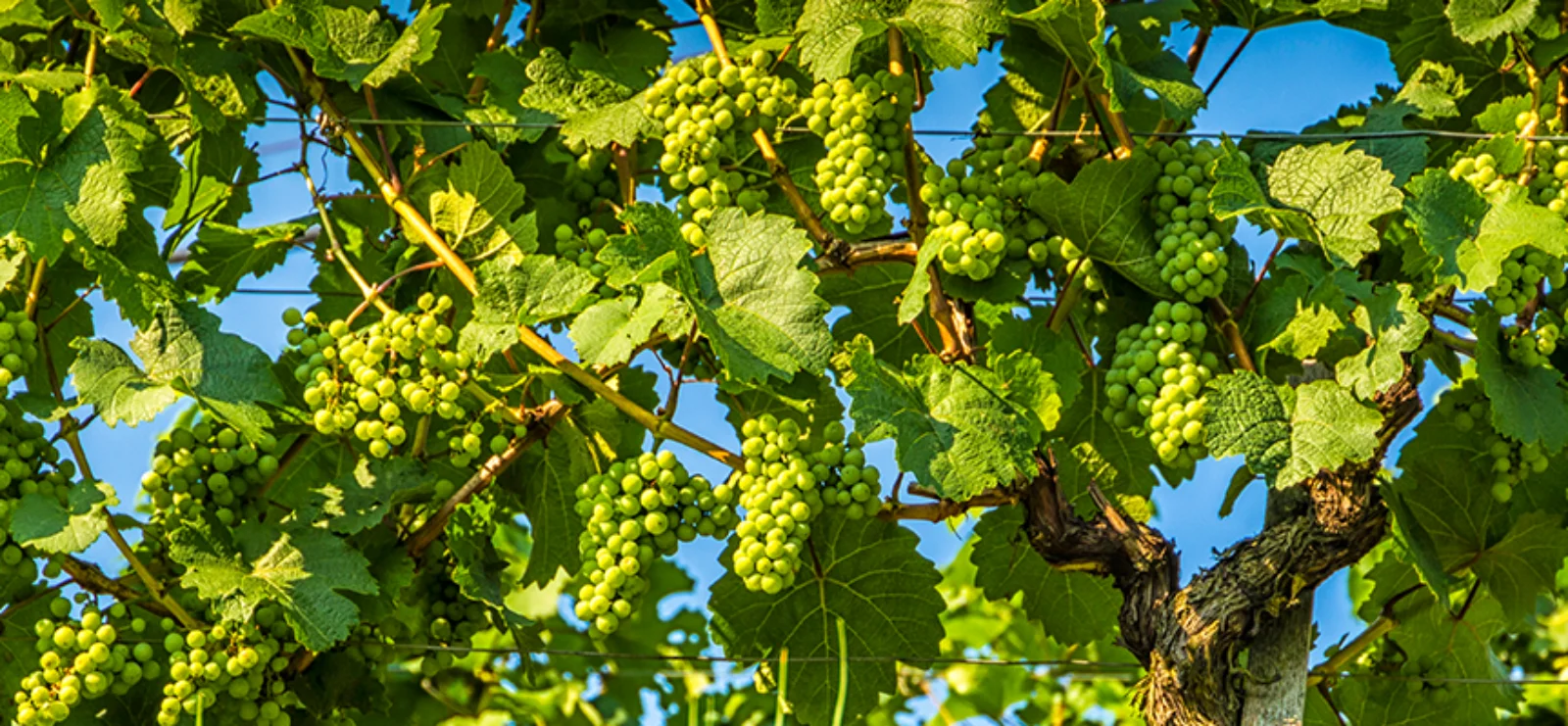
Gibberellic Acid is a hormone that has the potency to regulate growth rate, flowering, and appearance of the fruits. It was later discovered in 1926 by Japanese scientist Eiichi Kurosawa. Its discovery has a story behind it. Eiichi Kurosawa found that the fungus Gibberella...

Bifenthrin Technical: Fast-Acting Control for Field Pest Management
In most crops, pest problems rarely appear suddenly in a heavy form. They usually begin with a small population, a few aphids on tender leaves, some early thrips damage, or light feeding by caterpillars. At this stage, the crop still looks manageable, but if ignored, the...
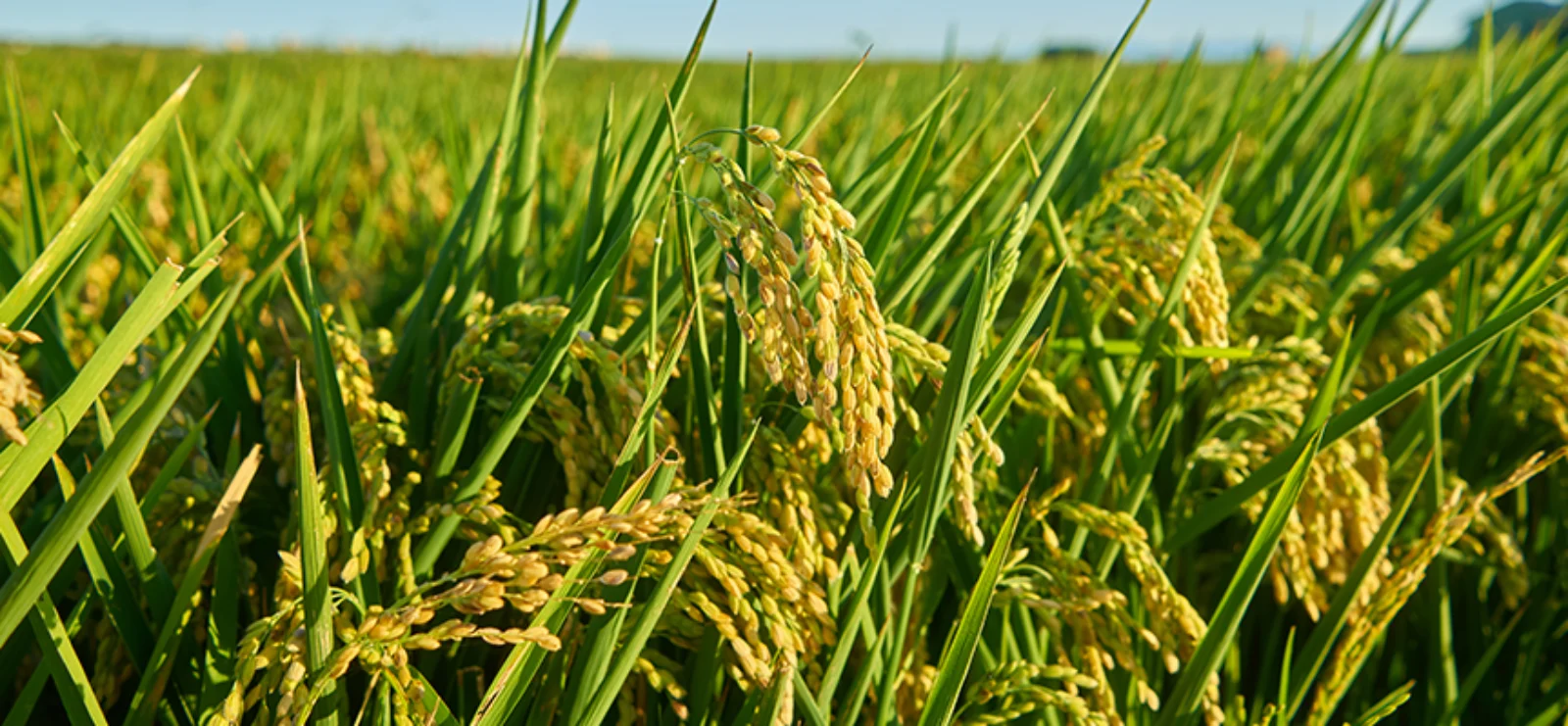
How Can Biofertilizers Help Crops Perform Better During Low Rainfall Conditions?
Weather uncertainty is becoming one of the biggest challenges in modern agriculture. Delayed monsoons, uneven rainfall distribution, and prolonged dry spells are increasingly affecting crop productivity across major agricultural regions.
Recently, the India Meteorological...
Bacillus subtilis: Not only a Bio-Fungicide, it’s a Stress Manager for Today’s Agriculture
For decades, agriculture professionals have been using Bacillus subtilis mainly as a bio-fungicide for the management of soil-borne diseases. Farmers, Agronomists and Crop protection advisors alike have recognized this valuable bacterium in the inhibition of destructive...

How Does Mycorrhiza Help Crops Perform Better Under Different Stress Conditions?
Modern agriculture is increasingly facing a combination of environmental and biological stresses that directly affect crop productivity. Irregular rainfall patterns, prolonged dry spells, rising temperatures, soil salinity, nutrient imbalances, and increasing disease pressure...

Abamectin: What Makes It One of the Most Trusted Insecticides and Miticides in Agriculture?
Ask any grower dealing with mites, leaf miners, or thrips and chances are they’ve already heard of Abamectin. This product is a go-to solution for many agri experts. But what makes it special? Is it only because it controls a wide range of pests, or is there more to the...
Glyphosate: The Herbicide Everyone’s Talking About, But Few Truly Understand
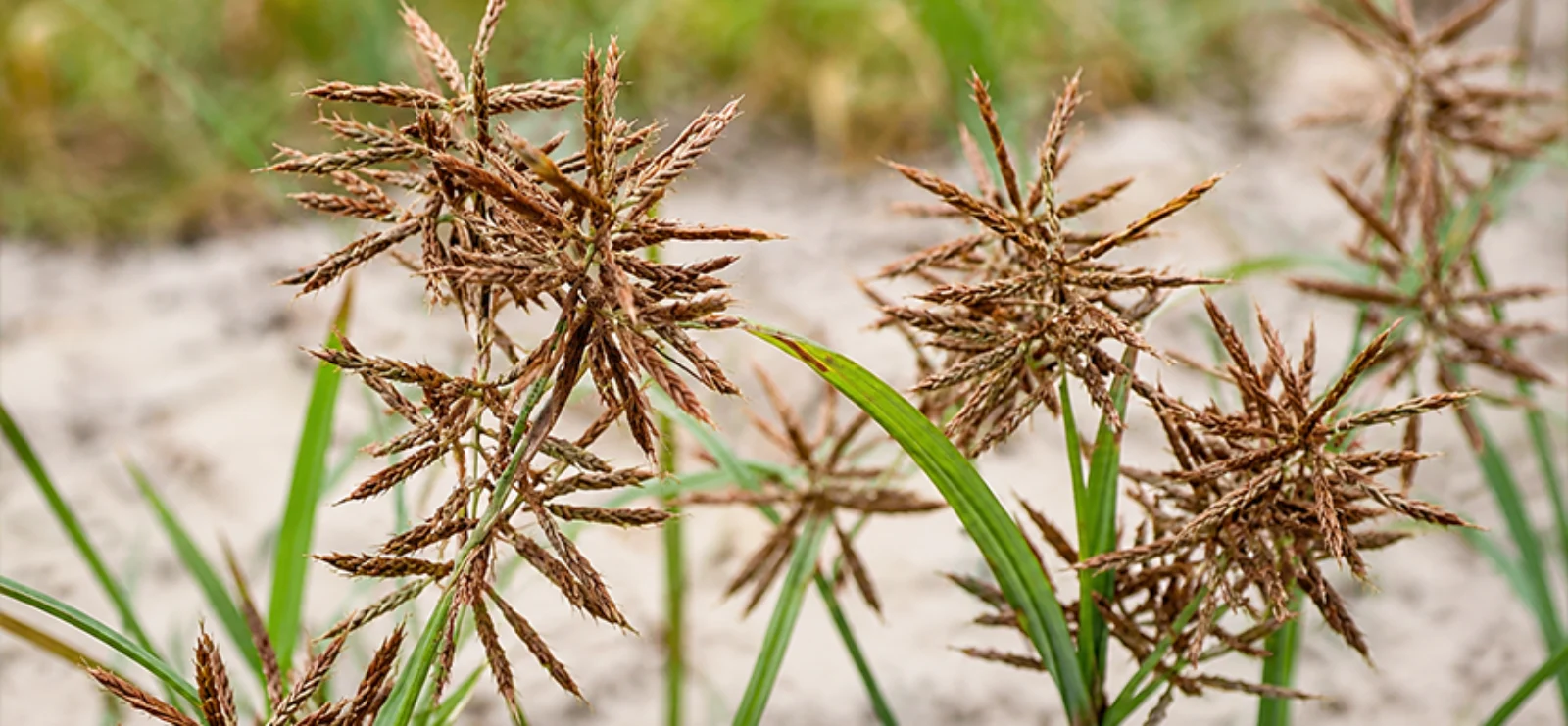
When it comes to managing tough weeds in farms, one name always pops up – Glyphosate. It’s one of the most widely used herbicides in the world, and there’s a good reason why. It is effective, economical and works on a broad range of weeds. But how exactly it works, what makes...