

Growers in many regions struggle with fungal diseases that spoil leaves, fruits and stems in a very silent manner. These diseases spread fast in warm and humid conditions, and once the infection settles inside the plant, it becomes difficult to stop it. This is why hexaconazole has become an important tool for growers and also for companies that supply crop protection solutions. It belongs to the triazole family, which is known for deep activity inside plant tissues and long-lasting protection. Although the chemistry is well established in the market, many people still do not know how it actually works or why it performs better than many older fungicide groups.
Why Growers Choose Hexaconazole For Fungal Problems
When people talk about hexaconazole, they talk about a systemic fungicide that moves inside the plant after spraying. Most surface fungicides stay only on the leaf layer and they get washed away very easily. But hexaconazole enters the tissues and becomes part of the internal flow system. When a fungus tries to build its infection inside the plant, the product blocks key steps in the sterol-making process of the fungus. Sterols are small materials that help the fungus build its cell wall. Once this process is disturbed, the fungus is unable to grow and spread. This is the main reason why the product gives strong control over powdery mildew, sheath blight, leaf spot and other similar diseases.
How the Molecule Performs Inside the Plant
When the farmer sprays hexaconazole on the leaves, it enters through the cuticle and moves through the xylem. The xylem is the tissue that carries water and minerals upward from the roots. So the product slowly spreads in the growing parts of the plant. This movement helps in protecting new leaves and tender shoots. Many fungal diseases attack the fresh growth so this movement gives a protective shield even after the day of spraying. The molecule targets a specific enzyme that the fungus needs to make its cell components. When the enzyme is blocked, the fungal organism cannot survive and the disease stops progressing.
Forms of Hexaconazole Available in the Market
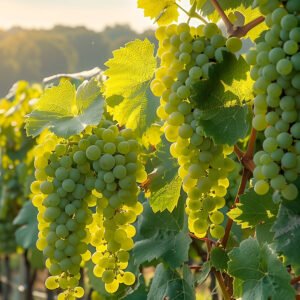
Peptech Biosciences prepares two main forms. One is Hexaconazole 75% WG, which is a water-dispersible granule. Another one is Hexaconazole 5% SC, which is a suspension concentrate. Both work on the same fungal targets but the behaviour of each form in water and on the plant surface is slightly different. This helps buyers choose based on their spray equipment, tank size and application frequency.
Understanding Hexaconazole 75% WG
This form looks like small granular particles that dissolve quickly when stirred in water. Many users prefer it because it does not make lump formations, and it gives a very clean mix. Once it dissolves properly, it forms a uniform suspension that stays stable in the spray tank. This form is usually used in rice, mango, grape and vegetable crops for routine protection against powdery mildew and sheath diseases. Because of its high concentration, a smaller quantity is required in each spray which makes handling and storage easier.
Understanding Hexaconazole 5% SC
This form looks like a thick liquid that turns into a fine milky solution once mixed with water. It spreads very quickly on the leaf surface and gives fast uptake inside the plant. Field workers generally select this form during disease outbreak situations where immediate action is needed. Since this is a lower concentration version, the dose volume is more, but mixing is very simple. The action inside the plant remains the same. The product enters the tissues and stops the sterol production process inside the fungus, which leads to the stoppage of infection.
Comparing the Two Forms of Hexaconazole
Below is a small table to understand the difference in behaviour between the two forms.
| Parameter | Hexaconazole 75% WG | Hexaconazole 5% SC |
| Physical form | Water-dispersible granules | Thick liquid concentrate |
| Mixing behavior | Dissolves quickly and stays stable | Forms a milky, uniform solution |
| Spread on leaf | Slightly slower but very even | Quick wetting and fast spreading |
| Typical use | Routine protection sprays | Urgent disease outbreak situations |
Diseases Commonly Controlled
The molecule is widely used for powdery mildew in grapes, cucurbits and mango. It also works well on sheath blight in rice, tikka disease in groundnut, leaf spot in many vegetable crops, and anthracnose in fruit trees. These diseases reduce the ability of the plant to make food and produce fruits. When the leaves get damaged, the photosynthesis slows down, which leads to an overall reduction in yield. Hexaconazole helps in protecting the green area of the plant, which supports better fruit set and healthier growth.
Importance of Early Application
Many users believe that fungicides should be used only after infection becomes visible, but this is not always the best method. Fungal diseases often start several days before the symptoms show. For example, powdery mildew spores sit on the leaf, germinate quietly and enter the tissue before any white powder is visible. When the product is sprayed early, hexaconazole reaches the inner tissues before the fungal colony gets strong. This early protection saves time, money and crop loss.
Safety Profile and Compatibility
Another reason why many brands choose this molecule is because it is considered safe for the plant when used correctly. It does not burn leaves or harm tender shoots. Since hexaconazole has a specific action on fungal sterols, it does not disturb plant growth when used in proper doses. It is often used in crop programmes where fruit quality and appearance matter, such as grapes and mangoes. The product is also compatible with many common insecticides and fertilizers, but a small jar test is always advisable.
Why brand owners prefer these formulations from Peptech Biosciences
Peptech Biosciences prepares these two forms with carefully selected carriers, stabilizers and wetting agents. Both forms are designed to mix easily and remain stable for long storage periods. B2B buyers who supply under private label expect consistent quality in every batch. The controlled production system and tested raw materials make sure that the final output is dependable. For large distributors and brand owners, this consistency becomes a major advantage in building trust among growers.
Final thoughts on This Molecule
In summary, Hexaconazole has secured an important position in the management of fungal diseases because it enters the plant system, blocks the sterol-making process of the fungus and gives long-lasting activity. Whether it is the 75% WG or the 5% SC form, both versions offer specific advantages for different field conditions. For businesses that support growers with fungicide solutions, this chemistry continues to remain relevant and dependable.
Frequently Asked Questions (FAQs)
Q1. What makes Hexaconazole different from normal contact fungicides
A. Most contact fungicides stay only on the outer layer of the leaf. They work only where they touch. Hexaconazole enters the plant tissues and moves through the xylem. Because of this movement, it protects new leaves and tender parts even after the spray day. This systemic nature gives longer protection from fungal diseases.
Q2. Can both Hexaconazole 75% WG and Hexaconazole 5% SC be used on the same crops
A. Yes, both forms are used on similar crops like rice, grapes, mango, groundnut and many vegetable crops. The WG form is more liked for routine protection, while the SC form is preferred during sudden disease outbreaks where fast spreading on the leaf surface is needed.
Q3. Does Hexaconazole kill fungus immediately
A. It does not kill instantly. What it does is block the sterol-making process inside the fungus. Sterols are needed for building the fungal cell wall. Once this process is disturbed, the fungus cannot grow and slowly dies. The important part is the stoppage of internal growth of fungus, which protects the plant.
Q4. Is Hexaconazole safe for plant growth
A. When used at the recommended dose, it is considered safe for plant tissues. It does not burn leaves or affect tender shoots. Many growers use it even in sensitive crops like grapes and mangoes, where fruit appearance matters a lot.
Q5. Why do some users prefer the WG form and some prefer the SC form
A. WG form dissolves very cleanly in water and needs a smaller quantity because of its high concentration. SC form mixes very easily and spreads fast on leaves. Both forms give the same active ingredient. Only the mixing behaviour and spreading nature are different.
Q6. Can fungus become resistant to Hexaconazole?
A. Yes, it can happen if the same molecule is used again and again without rotation. For long-term good results, users should rotate with other fungicide groups. Early spray also helps in managing resistance.
Q7. On which diseases does Hexaconazole work best
A. It is widely used for powdery mildew, sheath blight, tikka leaf spot, anthracnose and similar foliar diseases. These fungal infections reduce the green leaf area. Once this chemical enters the tissue, it stops the internal growth of fungus and helps the plant recover.
Q8. Is Hexaconazole compatible with other agri products
A. It is generally compatible with many insecticides and foliar fertilizers. Still, a small jar test is suggested because water quality and tank conditions can differ in every region.
Q9. Can these formulations be supplied under private label
A. Yes, both the 75% WG and the 5% SC are suitable for private label supply. Peptech Biosciences prepares them with strict quality checks so that large B2B buyers can confidently pack them under their own brand.
Q10. How should the spray be applied for best results
A. Proper coverage is very important. The spray should reach the middle and lower canopy also because fungal infection usually starts in humid pockets. Clean water, correct agitation and correct dose help in giving full systemic movement inside the plant.