
Ametryn 80% WG

Helping Crops Stay Ahead of Weeds

Ametryn 80% WG

Category:
  • Share:
Description

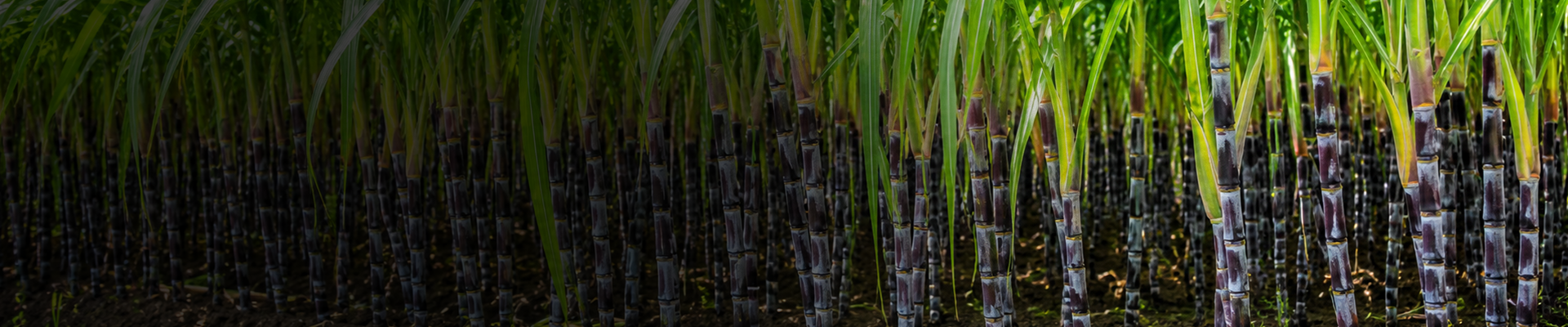
Ametryn 80% WG is a water dispersible granule formulated with Ametryn 80% (a.i.). It is a new selective early-post herbicide for sugarcane with broad-spectrum activity against grasses and broad-leaved weeds. It is a member of the s-triazines chemical group.

Ametryn belongs to the s-triazine chemical group. It works by inhibiting photosystem II in the chloroplasts of weeds, blocking electron transport during photosynthesis. This prevents energy production, leading to growth inhibition and eventual death of susceptible weeds.
Reviews

Reviews

There are no reviews yet.

Add Review
Be the first to review “Ametryn 80% WG”

Your email address will not be published. Required fields are marked *

Key Benefits

Broad-spectrum control of grasses and broad-leaved weeds

Controls existing weeds and provides residual suppression of emerging seedlings

Active through both foliar and soil uptake

Provides moderate residual weed control

Protects sugarcane tillers from competition during early growth

Method of Application & Dosage

Crop(s) Target / Benefit Dosage & Application Guidelines
Sugarcane Digitaria sanguinalis, Cynodon dactylon, Trianthema monogyna, Ageratum conyzoides, Dactyloctenium aegyptium 1012gm/acre

Frequently Asked Questions (FAQS)

What is Ametryn 80% WG used for?

It is a selective herbicide used to control annual grasses and broadleaf weeds, particularly in sugarcane.

How does Ametryn 80% WG work? +

It inhibits photosynthesis in susceptible weeds, preventing their growth and leading to effective weed control.

When should Ametryn 80% WG be applied? +

It is generally applied as a pre emergence or early post emergence herbicide when weeds are young and actively growing.

Which types of weeds does Ametryn 80% WG control? +

It effectively controls a wide range of annual grassy weeds and broadleaf weeds.

What are the key benefits of Ametryn 80% WG? +

It provides broad spectrum weed control, reduces weed competition, supports healthy crop growth, and helps improve crop productivity when used as recommended.