
Carbendazim 12% + Mancozeb 63% WS

Seed Protection for Healthy Crop Establishment

CARBENDAZIM 12% + MANCOZEB 63% WS

Category:
  • Share:
Description

Carbendazim 12% + Mancozeb 63% WS is a systemic and contact fungicide used for seed treatment for the effective control of early seedling diseases.

Mancozeb 63% + Carbendazim 12% WS is a systemic and contact fungicide used for seed treatment for the effective control of early seedling diseases.
Reviews

Reviews

There are no reviews yet.

Add Review
Be the first to review “CARBENDAZIM 12% + MANCOZEB 63% WS”

Your email address will not be published. Required fields are marked *

Key Benefits

Prevent seed-borne and soil-borne diseases.

Effective seed treatment fungicide.

Promotes early, vigorous shoot & root development.

Method of Application & Dosage

Crop(s) Target / Benefit Dosage & Application Guidelines
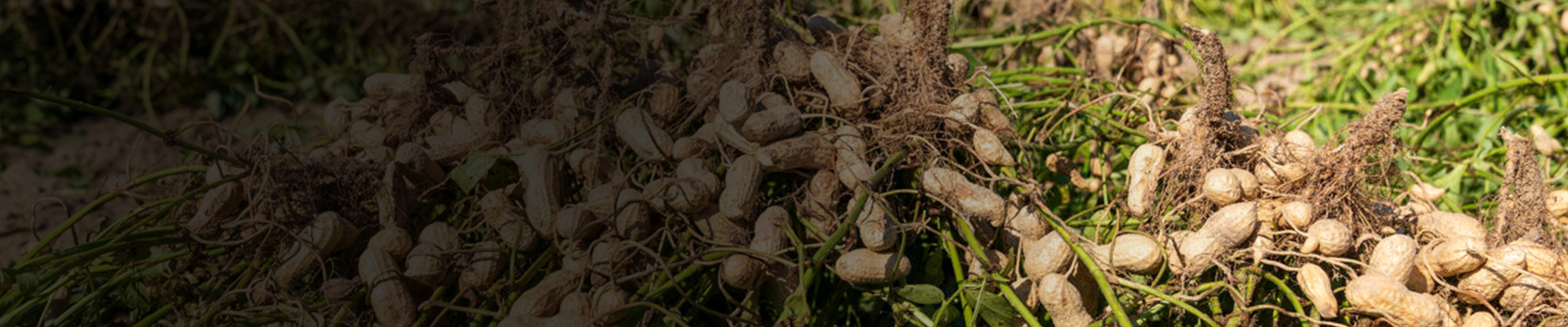
Groundnut Tikka leaf spot, Collar rot, Dry root rot 2.5gm/kg seed

Frequently Asked Questions (FAQS)

What is Carbendazim 12% + Mancozeb 63% WS used for?

Carbendazim 12% + Mancozeb 63% WS is a seed treatment fungicide used to protect seeds and young seedlings from seed borne and soil borne fungal diseases during the early stages of crop growth.

How does Carbendazim 12% + Mancozeb 63% WS work? +

Carbendazim provides systemic protection by controlling fungi inside the germinating seed and seedling, while Mancozeb forms a protective coating on the seed surface to prevent fungal infection from the surrounding soil.

Which diseases can be managed with Carbendazim 12% + Mancozeb 63% WS? +

It helps manage damping off, seed rot, seedling blight, root rot, collar rot, and other seed borne and soil borne fungal diseases, depending on the crop.

Why is Carbendazim 12% + Mancozeb 63% WS used as a seed treatment? +

Treating seeds before sowing protects them during germination, promotes uniform crop establishment, reduces early disease pressure, and supports vigorous seedling growth.

What are the key benefits of Carbendazim 12% + Mancozeb 63% WS? +

It provides dual mode of action, protects seeds and emerging seedlings, improves germination and crop establishment, reduces early season disease incidence, and supports healthy and uniform crop growth.