Gibberellic Acid 0.001% L

Supporting Healthy Plant Growth Naturally

Gibberellic Acid 0.001% L

  • Share:
Description

Gibberellic Acid is a naturally occurring plant hormone extracted from plants and fungi, widely recognized for its role as a plant growth regulator. It belongs to the group of tetracyclic diterpenoid acids that influence various developmental processes in plants. Although present in plants naturally, it occurs in very small quantities, which is why external application becomes necessary to stimulate growth, overcome dormancy, and enhance overall productivity. Plants with low levels of gibberellins often exhibit slow or stunted growth.

Reviews

Reviews

There are no reviews yet.

Add Review
Be the first to review “Gibberellic Acid 0.001% L”

Your email address will not be published. Required fields are marked *

Key Benefits

Overcoming Dormancy: Pre-sowing treatment of seeds or tubers with Gibberellic Acid helps break dormancy and promotes uniform and rapid germination, leading to a healthy crop stand.

Inducing Early Flowering: Direct application on young plants can trigger premature flowering, especially under unfavorable climatic conditions. However, as the effect may not persist long, repeat applications can be necessary for sustained flowering.

Improved Fruit Set: When fruit set is poor, the use of Gibberellic Acid encourages better fruit development, often leading to partially or completely seedless fruits in some crops.

Hybridization Support: Application of Gibberellic Acid along with cytokinins on blooms during manual pollination helps overcome self-incompatibility and enhances success rates in cross-pollination or hybrid seed production.

Enhanced Vegetative Growth: When applied near the terminal buds of plants or trees, it stimulates continuous growth, resulting in elongated stems and increased internode length, improving overall plant vigor.

Frost Protection: Spraying Gibberellic Acid on fruit trees during full bloom or when blossoms start withering can reduce frost injury, ensuring better fruit retention and yield.

Method of Application & Dosage

Crop(s) Target / Benefit Dosage & Application Guidelines
Grapes Inducing Early Flowering 70-80 First: 30-35 days after pruning Second : During the match head stage
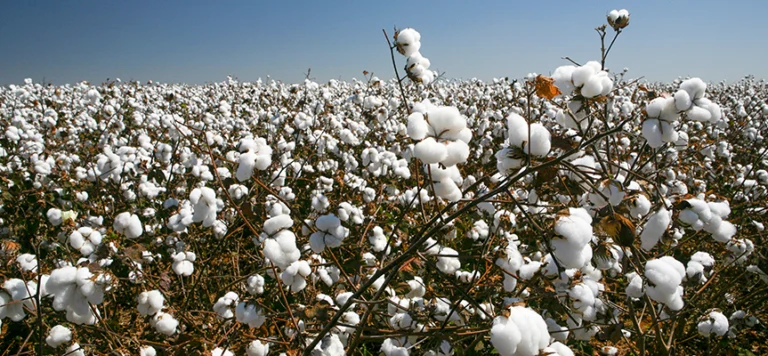
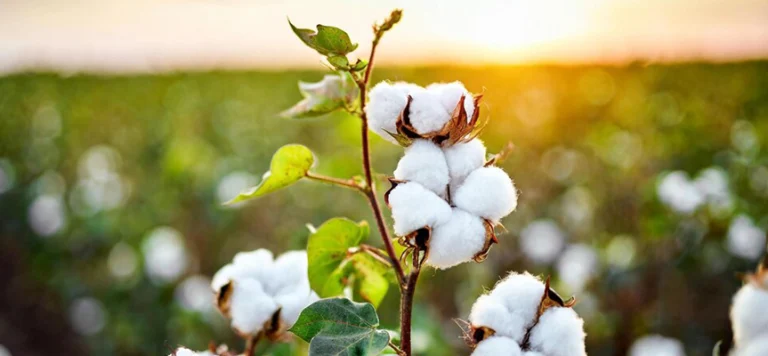
Cotton Inducing Early Flowering 70-80 First spray: 40-45 DAP Second spray: At the time of boll formation
Banana Inducing Early Flowering 100-120 First spray: 3rd month Second spray: 5th month Third spray: At the time of fruit formation
Sugarcane (Planted crop) Inducing Early Flowering 70-80 Short duration varieties: 20-25 DAT Medium duration varieties: 30-35 DAT Long duration varieties: 40-45 DAT
Cabbage / Cauliflower Inducing Early Flowering 70-80 First spray: 45 DAS Second spray: 65 DAS
Onion Inducing Early Flowering 70-80 25-30 days after planting
Brinjal / Bhendi Inducing Early Flowering 180-190 First spray:34 DAP Second spray: 70 DAP Third spray: 105 DAP
Ground nut Inducing Early Flowering 70-80 30-35 days after sowing Second spray: At the time of flowering
Mulberry Inducing Early Flowering 180-190 First spray 15-20 days after harvest Second spray: 25-30 days after first spray

Frequently Asked Questions (FAQS)

What is Gibberellic Acid 0.001% L used for?

Gibberellic Acid 0.001% L is a plant growth regulator (PGR) used to promote plant growth, improve flowering, enhance fruit development, and increase crop productivity.

How does Gibberellic Acid 0.001% L work? +

It stimulates cell division and cell elongation, helping plants achieve better vegetative growth, flowering, and fruit development.

Which crops can Gibberellic Acid 0.001% L be used on? +

It is suitable for cereals, fruits, vegetables, plantation, horticultural, and other approved crops as per the product label.

Can Gibberellic Acid 0.001% L improve crop uniformity? +

Yes. It promotes uniform plant growth, synchronized flowering, and consistent fruit development, resulting in better crop quality.

Does Gibberellic Acid 0.001% L help improve fruit size and quality? +

Yes. When applied at the recommended crop stage, it supports better fruit development, improves size, and enhances overall produce quality.