

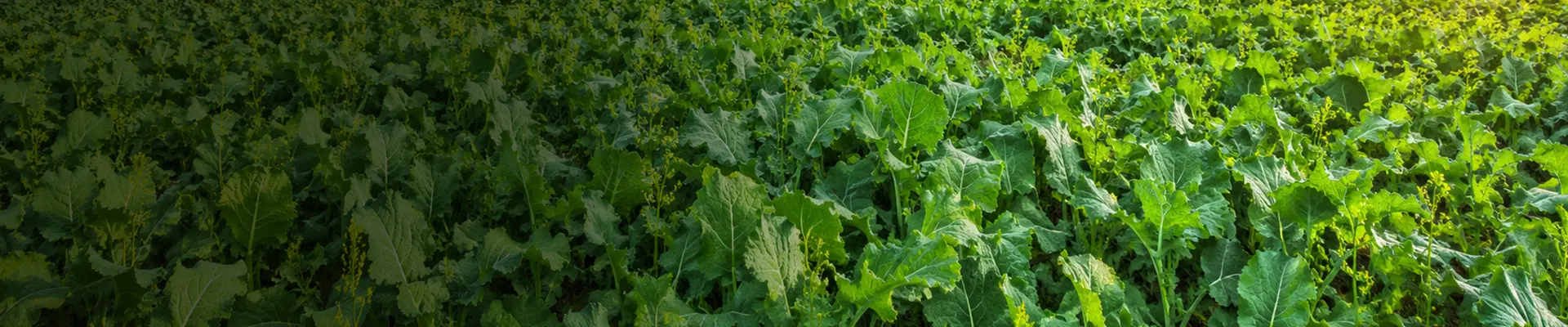
Bacillus thuringiensis (Bt) is a soil-dwelling bacterium widely used in agriculture to control insect pests. During sporulation, it produces crystal proteins (Cry and Cyt toxins) in parasporal crystalline inclusions. These proteins act as protoxins that become active in the alkaline gut of susceptible insects, where they bind to specific receptors, disrupt midgut cells, and cause death. Other proteins, such as Vip and Sip toxins, can also contribute to insecticidal activity. Since these proteins are not activated in mammals and lack target receptors, Bt is regarded as safe for humans and other vertebrates.
CFU: NLT 1×10⁸ CFU/gram
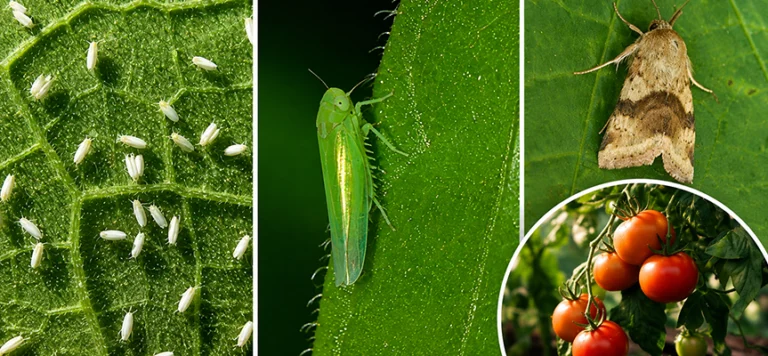
Bacillus thuringiensis produces Crystal (Cry) and Cytolytic (Cyt) protein families, which show activity against insects of several orders including Lepidoptera, Coleoptera, and Diptera, as well as some nematodes. These proteins act primarily by binding to receptors in the insect midgut, inserting into the epithelial cell membrane, and forming pores that lead to cell lysis and insect death.






















Reviews
There are no reviews yet.