


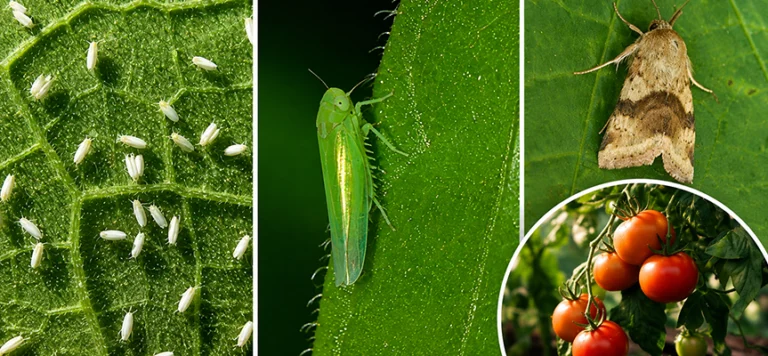
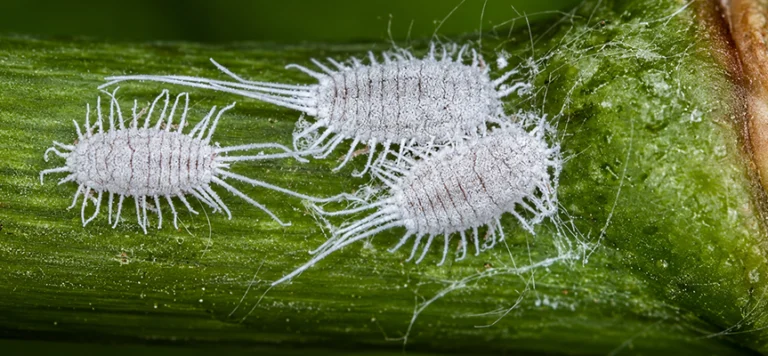
Metarhizium anisopliae is a naturally occurring entomopathogenic fungus used as a biological insecticide. It is known to cause green muscardine disease in a variety of insect pests, particularly soil-dwelling ones such as weevils, hoppers, termites, and beetle grubs.
CFU Count: NLT 1×10⁸ CFU/gm
When spores of M. anisopliae come in contact with the insect cuticle, they adhere, germinate, and penetrate the body using cuticle-degrading enzymes and mechanical pressure. Once inside, the fungus proliferates throughout the host and produces toxic metabolites such as destruxins. These disrupt cellular processes, suppress the immune system, and drain host nutrients. Death results from a combination of tissue damage, toxin effects, dehydration, and nutrient depletion. The rate of kill varies depending on spore load, insect age and susceptibility, and environmental conditions, with warm and humid weather favoring its activity.





























Reviews
There are no reviews yet.