
Bacillus Thuringiensis

Biological Control for Caterpillar Infestations

Bacillus Thuringiensis

Category:
  • Share:
Description

Bacillus thuringiensis (Bt) is a soil-dwelling bacterium widely used in agriculture to control insect pests. During sporulation, it produces crystal proteins (Cry and Cyt toxins) in parasporal crystalline inclusions. These proteins act as protoxins that become active in the alkaline gut of susceptible insects, where they bind to specific receptors, disrupt midgut cells, and cause death. Other proteins, such as Vip and Sip toxins, can also contribute to insecticidal activity. Since these proteins are not activated in mammals and lack target receptors, Bt is regarded as safe for humans and other vertebrates.

CFU: NLT 1×10⁸ CFU/gram

Bacillus thuringiensis produces Crystal (Cry) and Cytolytic (Cyt) protein families, which show activity against insects of several orders including Lepidoptera, Coleoptera, and Diptera, as well as some nematodes. These proteins act primarily by binding to receptors in the insect midgut, inserting into the epithelial cell membrane, and forming pores that lead to cell lysis and insect death.

Reviews

Reviews

There are no reviews yet.

Add Review
Be the first to review “Bacillus Thuringiensis”

Your email address will not be published. Required fields are marked *

Key Benefits

Delivers effective control against major insect pests, protecting crop health.

Targets only specific insects, with no harmful effects on humans, animals, or the environment.

Preserves beneficial organisms, including pollinators and natural predators.

Minimizes crop losses and supports better yield by preventing infestations.

Fits well in integrated pest management (IPM) programs alongside chemical solutions.

Method of Application & Dosage

Crop(s) Target / Benefit Dosage & Application Guidelines
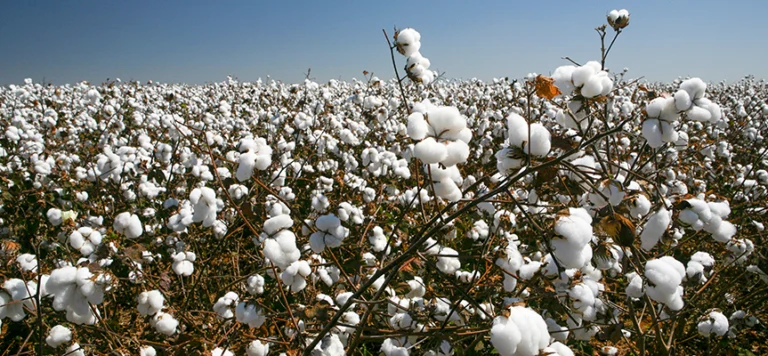
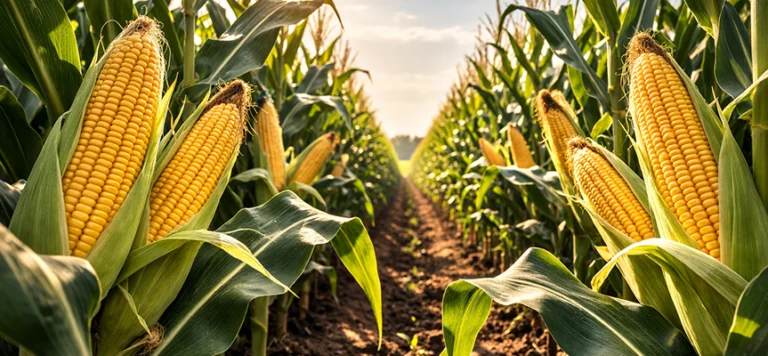
Cabbage, Broccoli, Potatoes, Corn, Cotton Turnip, Green vegetables, Cauliflower, Melons, Cotton, Corn, Lettuce, Tomatoes, Ornamentals, Guava European corn borer– Ostrinia nubilalis South western corn borer– Diatraea grandiosella Tobacco budworm– Heliothis virescens Cotton bollworm– Helicoverpa armigera Pink bollworm– Pectinophora gossypiella Coddling moth– Cydia pomonella Colorado potato beetle– Leptinotarsa decemlineata 1kg/acre

Frequently Asked Questions (FAQS)

What is Bacillus thuringiensis (Bt) used for?

Bacillus thuringiensis is a biological insecticide used to control caterpillar pests in agricultural, horticultural, and plantation crops without harming the crop.

How does Bacillus thuringiensis work? +

After caterpillars feed on treated plant surfaces, Bt produces proteins that affect their digestive system. The larvae stop feeding shortly after ingestion and eventually die.

Which pests can be controlled with Bacillus thuringiensis? +

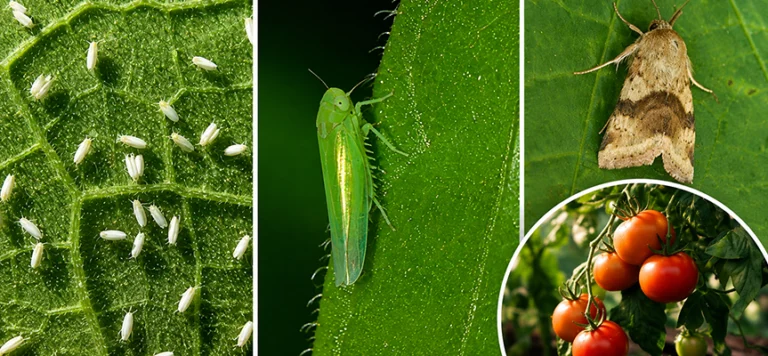
It is highly effective against lepidopteran larvae such as fruit borers, pod borers, stem borers, leaf folders, diamondback moth, armyworms, and other caterpillar pests, depending on the crop.

Is Bacillus thuringiensis safe for beneficial insects and pollinators? +

Yes. Bt is highly selective and primarily targets caterpillar larvae. When used according to label recommendations, it has minimal impact on beneficial insects, pollinators, and natural enemies, making it suitable for IPM programs.

Why do farmers choose Bacillus thuringiensis? +

It provides biological caterpillar control, helps reduce dependence on chemical insecticides, supports resistance management, leaves minimal residues, and is an excellent choice for sustainable crop protection.