

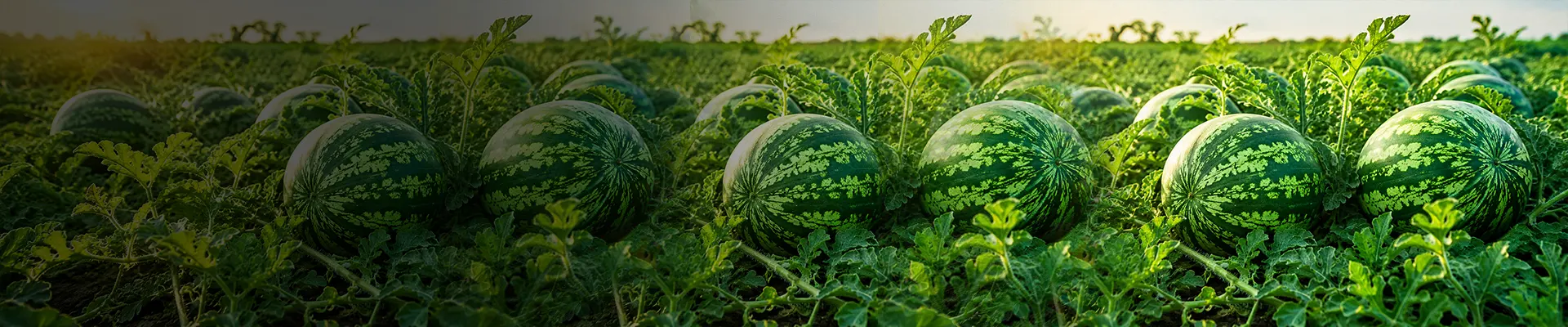
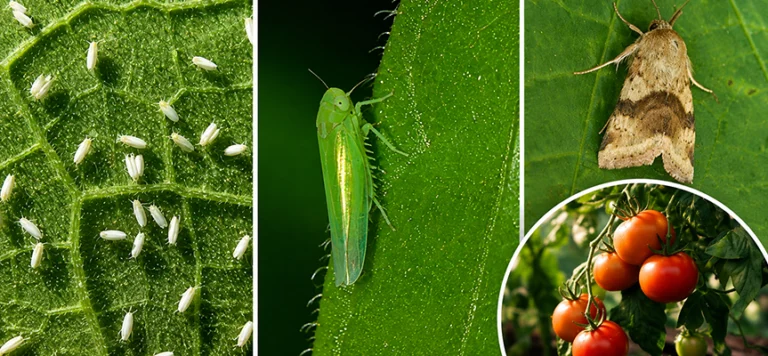
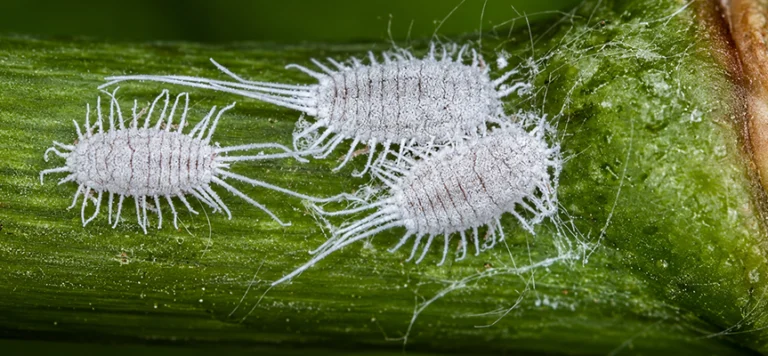
Beauveria bassiana is a naturally occurring entomopathogenic fungus used as a biological insecticide. It is commonly found in soil and is known to cause white muscardine disease in several insect groups, including whiteflies, aphids, thrips, caterpillars, beetles, and weevils.
CFU Count: NLT 1 x 10⁸CFU/gm
When the fungal spores come in contact with a susceptible insect, they attach to the cuticle, germinate, and penetrate the body using enzymes and mechanical force. Inside the insect, the fungus proliferates, produces toxins, and drains nutrients, ultimately killing the host. After death, the insect cadaver may show white fungal growth, releasing new spores that spread infection. Warm and humid conditions favor its activity, while speed of kill depends on spore density, pest age, and environmental conditions.
















Reviews
There are no reviews yet.