

Thiocyclam Hydrogen Oxalate 50% SP

Targeted Control for Hidden Feeding Pests

Thiocyclam Hydrogen Oxalate 50% SP

Category:
  • Share:
Description

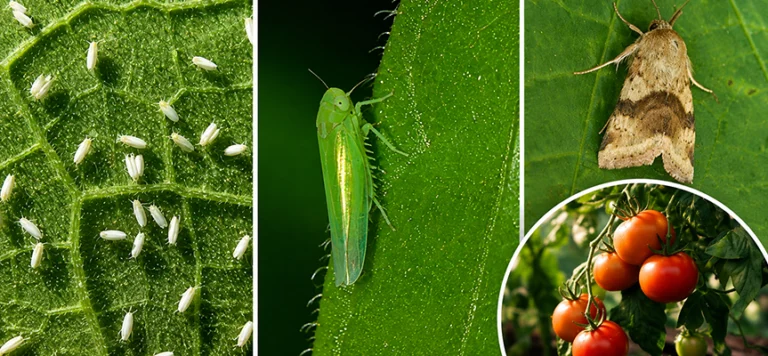
Thiocyclam Hydrogen Oxalate 50% SP is a broad-spectrum contact and stomach poison insecticide. It is highly effective against a wide range of chewing and sucking insects, including caterpillars, beetles, aphids, leafhoppers, and whiteflies.

Thiocyclam Hydrogen Oxalate acts as a feeding inhibitor, disrupting the digestive processes of insects and controlling their growth and development. It is primarily a contact and stomach poison, providing effective control of above-ground chewing and sucking pests.

Reviews

Reviews

There are no reviews yet.

Add Review
Be the first to review “Thiocyclam Hydrogen Oxalate 50% SP”

Your email address will not be published. Required fields are marked *

Key Benefits

Highly effective against a wide range of chewing and sucking insects

Exhibits prolonged residual activity

Acts as a contact and stomach poison

Method of Application & Dosage

Crop(s) Target / Benefit Dosage & Application Guidelines
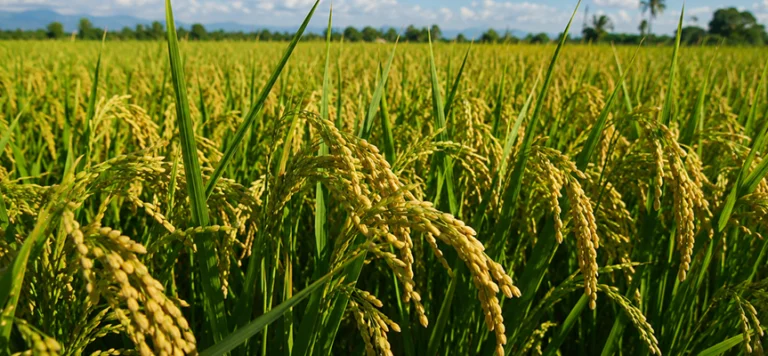
Rice Stem borer (Scirpophaga incertulas), Leaf folder (Cnaphalocrocis medinalis) 400ml/acre

Frequently Asked Questions (FAQS)

What is Thiocyclam Hydrogen Oxalate 50% SP used for?

It is a systemic insecticide used to control major chewing and sucking insect pests in various crops.

Which pests does it control? +

It effectively controls stem borers, leaf folders, caterpillars, and other chewing insect pests depending on the crop.

When should Thiocyclam Hydrogen Oxalate 50% SP be applied? +

Apply it at the early stage of pest infestation when insects are actively feeding for effective control.

What are the key benefits of Thiocyclam Hydrogen Oxalate 50% SP? +

It provides systemic action, effective control of chewing pests, longer residual protection, and helps reduce crop damage while supporting better crop yield.

How does Thiocyclam Hydrogen Oxalate 50% SP work? +

It acts on the insect nervous system by disrupting nerve signal transmission, causing paralysis and eventual death of pests.