Validamycin 3% L

Specialized Defense Against Sheath Blight

Validamycin 3% L

Category:
  • Share:
Description

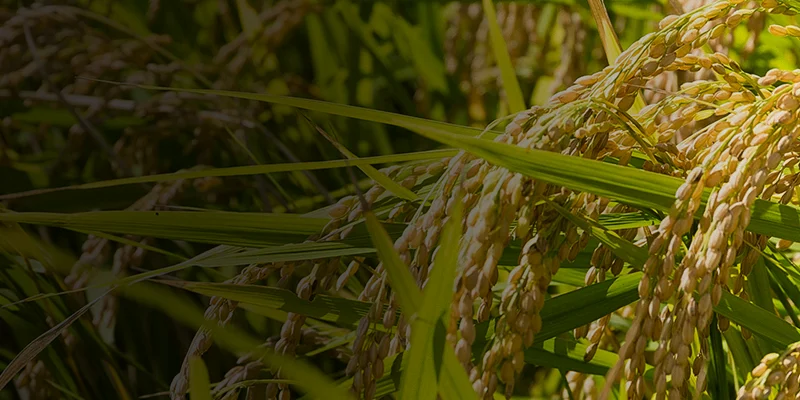
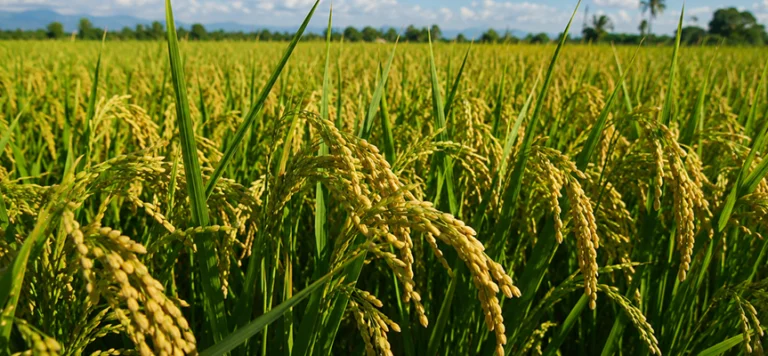
Validamycin 3% L is a specialized antibiotic fungicide designed to effectively control Sheath Blight disease in rice crops. It works by acting on the fungal hyphae, destroying the fungus through contact action, and halting the spread of the disease. This fungicide is highly effective against soil-borne diseases and Rhizoctonia solani, a major cause of Sheath Blight in rice.


Reviews

Reviews

There are no reviews yet.

Add Review
Be the first to review “Validamycin 3% L”

Your email address will not be published. Required fields are marked *

Key Benefits

Provides excellent control of Sheath Blight in rice.
Acts by direct contact on fungal hyphae, preventing disease spread.

Effective against soil-borne diseases and Rhizoctonia solani.

Enhances crop health and yield by protecting rice from major fungal infections.

Method of Application & Dosage

Crop(s) Target / Benefit Dosage & Application Guidelines
Rice Sheath blight 800 ml

Frequently Asked Questions (FAQS)

What is Validamycin 3% L used for?

Validamycin 3% L is a systemic antibiotic fungicide used mainly for managing soil borne fungal diseases, especially those caused by Rhizoctonia solani in field crops.

How does Validamycin 3% L work? +

It acts by inhibiting trehalase enzyme activity in pathogenic fungi, disrupting their energy metabolism and preventing fungal growth and disease development.

Which diseases can be managed with Validamycin 3% L? +

It is highly effective against sheath blight, stem rot, and other Rhizoctonia related diseases in crops, particularly rice and other field crops.

Why is Validamycin 3% L effective against sheath blight? +

Sheath blight develops near the lower canopy and spreads through fungal growth structures. Validamycin targets the pathogen's growth process and helps reduce disease progression when applied at the right stage.

What are the key benefits of Validamycin 3% L? +

It provides targeted control of Rhizoctonia diseases, systemic disease suppression, effective protection during critical crop stages, improved disease management, and helps maintain crop growth and yield potential.