
Beauveria Bassiana

Biological Control for Caterpillar Infestations

Beauveria Bassiana

Category:
  • Share:
Description

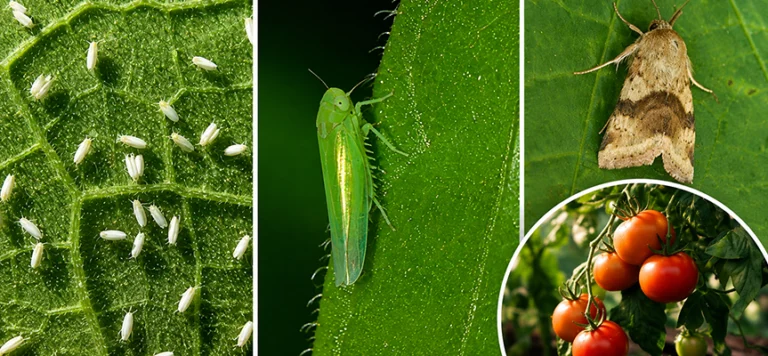
Beauveria bassiana is a naturally occurring entomopathogenic fungus used as a biological insecticide. It is commonly found in soil and is known to cause white muscardine disease in several insect groups, including whiteflies, aphids, thrips, caterpillars, beetles, and weevils.

CFU Count: NLT 1 x 10⁸CFU/gm

When the fungal spores come in contact with a susceptible insect, they attach to the cuticle, germinate, and penetrate the body using enzymes and mechanical force. Inside the insect, the fungus proliferates, produces toxins, and drains nutrients, ultimately killing the host. After death, the insect cadaver may show white fungal growth, releasing new spores that spread infection. Warm and humid conditions favor its activity, while speed of kill depends on spore density, pest age, and environmental conditions.
Reviews

Reviews

There are no reviews yet.

Add Review
Be the first to review “Beauveria Bassiana”

Your email address will not be published. Required fields are marked *

Key Benefits

Broad activity against many insect pests across different orders.

Safe for humans, animals, and the environment.

Helps preserve beneficial insects and natural predators.

Works well under integrated pest management (IPM) programs.

Reduces crop losses by suppressing pest outbreaks effectively.

Method of Application & Dosage

Crop(s) Target / Benefit Dosage & Application Guidelines
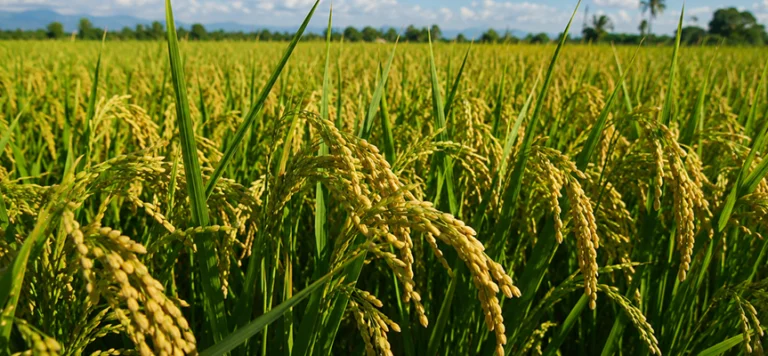
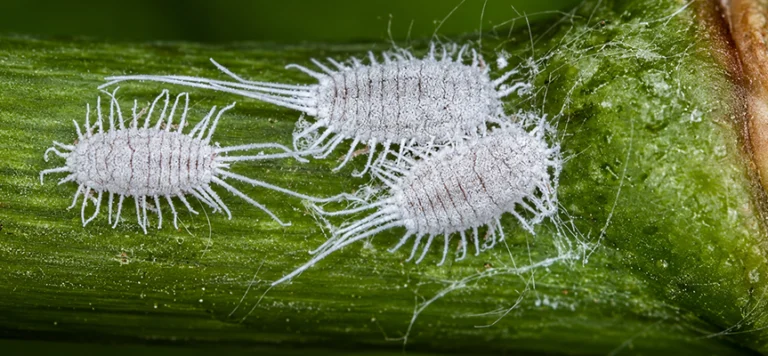
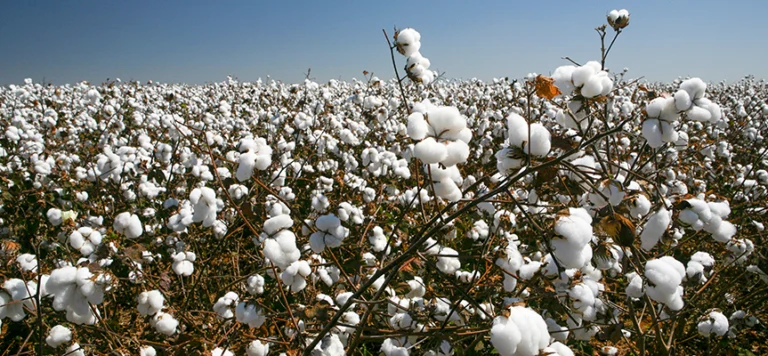
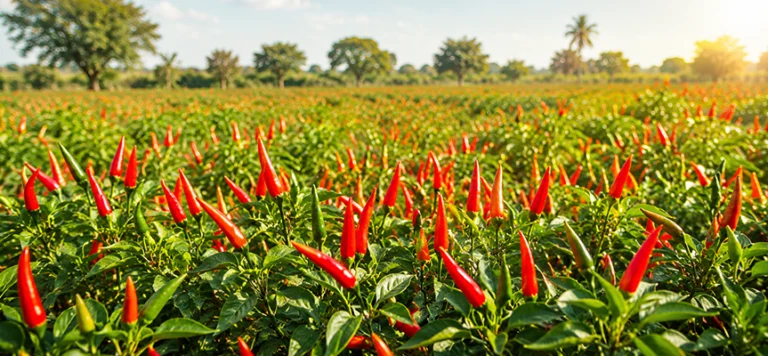
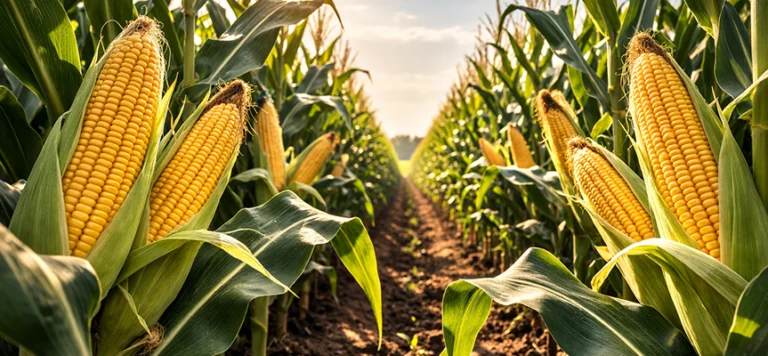
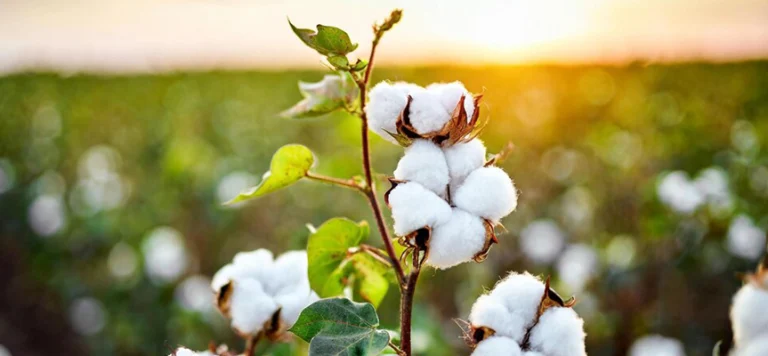
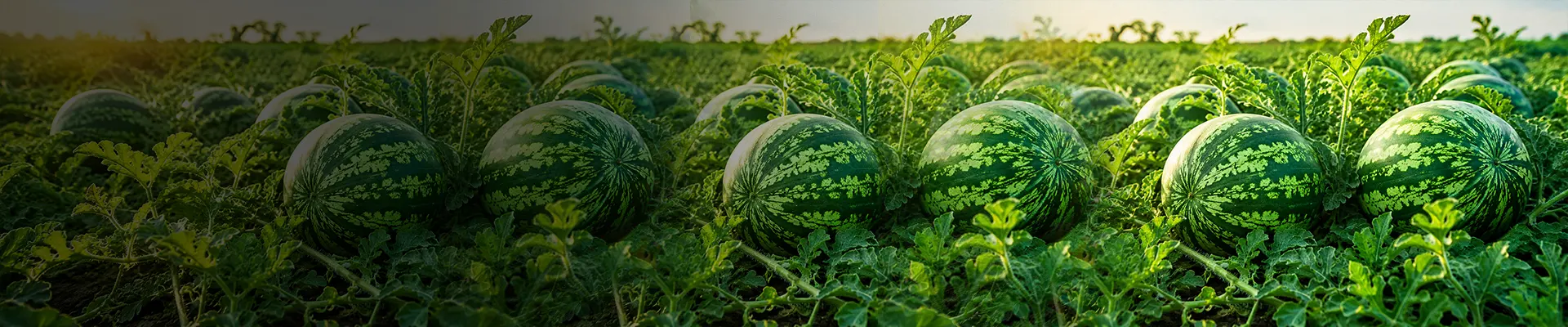
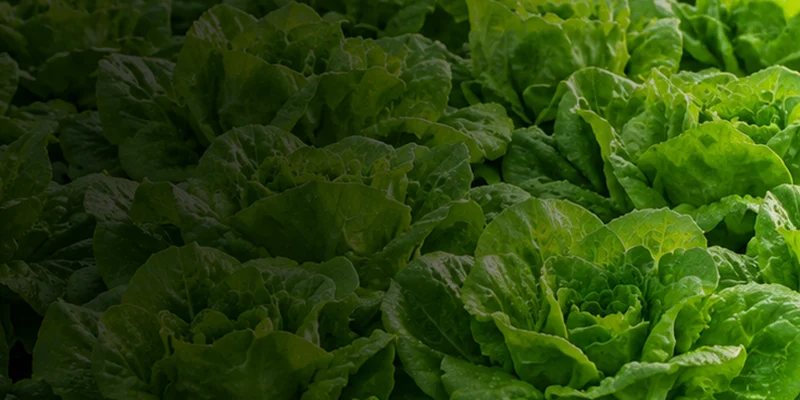
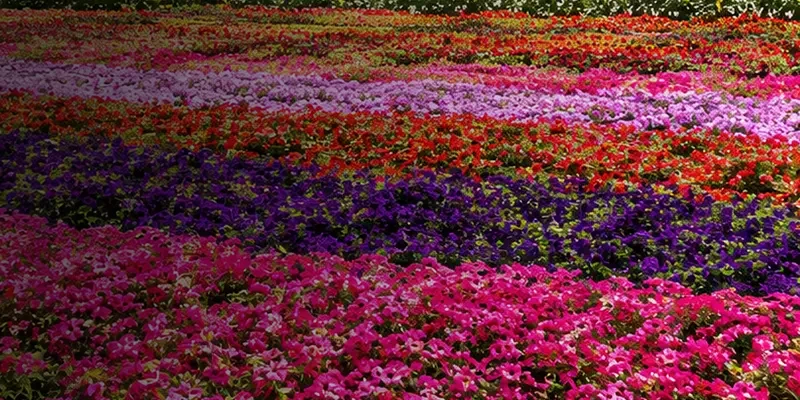
Cabbage, Broccoli, Potatoes, Corn, Cotton Turnip, Green vegetables, Cauliflower, Melons, Cotton, Corn, Lettuce, Tomatoes, Ornamentals, Guava Caterpillars– Spodoptera litura, Heliothis armigera etc. Weevils– Anthonomus grandis, Listroderes costirostris Borers– Orseolia oryzae, Spodoptera Mauritia, Chilo partellus Leaf hoppers– Circulifer tenellus, Cicadulina mbila, Empoasca fabae Jassid– Nephotettix cincticeps Whitefly– Bemisia tabaci Aphid– Lipaphis erysimi Thrip– Scirtothrips dorsalis Mealybug– Drosicha mangiferae Fungus gnats- Mites– Tetranychus urticae, Tetranychus evansi May beetle– Phyllophaga spp. 2kg/acre

Frequently Asked Questions (FAQS)

What is Beauveria bassiana used for?

Beauveria bassiana is a biological insecticide containing a naturally occurring beneficial fungus that helps manage a wide range of insect pests in agricultural and horticultural crops.

How does Beauveria bassiana control insect pests? +

Its spores attach to the insect's outer body, germinate, penetrate the cuticle, and multiply inside the insect, eventually causing its death while helping reduce pest populations.

Which pests can be controlled with Beauveria bassiana? +

It is effective against whiteflies, aphids, thrips, jassids, mealybugs, termites, weevils, beetles, and other soft-bodied and hard-bodied insect pests, depending on the crop.

Under what conditions does Beauveria bassiana perform best? +

It performs best under moderate temperatures and high humidity, making morning or evening applications more suitable for improved spore survival and infection.

Why should farmers choose Beauveria bassiana? +

It offers biological pest management, is suitable for Integrated Pest Management (IPM) programs, helps reduce chemical insecticide use, lowers resistance pressure, and supports sustainable crop production.