

Metarhizium anisopliae

Biological Precision Against Soil-Dwelling Pests

Metarhizium anisopliae

Category:
  • Share:
Description

Metarhizium anisopliae is a naturally occurring entomopathogenic fungus used as a biological insecticide. It is known to cause green muscardine disease in a variety of insect pests, particularly soil-dwelling ones such as weevils, hoppers, termites, and beetle grubs.

CFU Count: NLT 1×10⁸ CFU/gm

When spores of M. anisopliae come in contact with the insect cuticle, they adhere, germinate, and penetrate the body using cuticle-degrading enzymes and mechanical pressure. Once inside, the fungus proliferates throughout the host and produces toxic metabolites such as destruxins. These disrupt cellular processes, suppress the immune system, and drain host nutrients. Death results from a combination of tissue damage, toxin effects, dehydration, and nutrient depletion. The rate of kill varies depending on spore load, insect age and susceptibility, and environmental conditions, with warm and humid weather favoring its activity.


Reviews

Reviews

There are no reviews yet.

Add Review
Be the first to review “Metarhizium anisopliae”

Your email address will not be published. Required fields are marked *

Key Benefits

Controls a broad range of soil and foliar insect pests.

Safe for humans, animals, and the environment.

Compatible with integrated pest management (IPM) practices.

Helps preserve beneficial insects and natural pollinators.

Reduces crop losses by suppressing hard-to-control soil pests.

Method of Application & Dosage

Crop(s) Target / Benefit Dosage & Application Guidelines
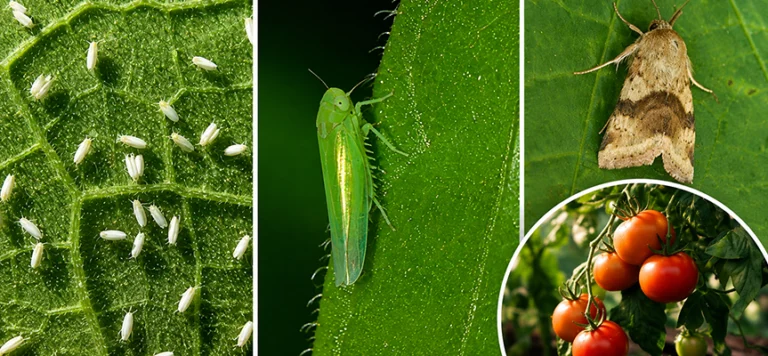
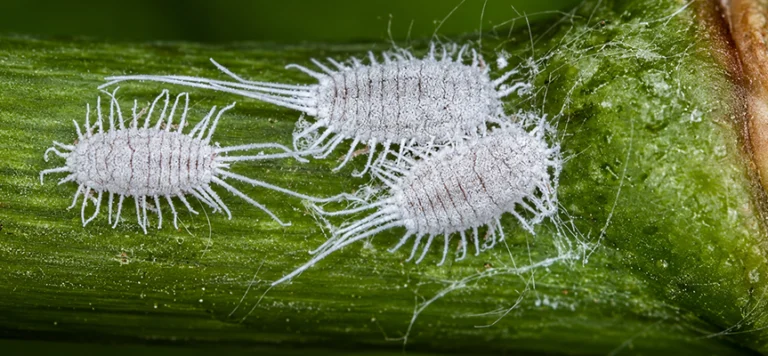
Cabbage, Broccoli, Potatoes, Corn, Cotton Turnip, Green vegetables, Cauliflower, Melons, Cotton, Corn, Lettuce, Tomatoes, Ornamentals, Guava Root weevils– Otiorhynchus meridionalis, Otiorhynchus ovatus Black vine weevil– Otiorhynchus sulcatus Spittlebug– Philaenus spumarius White grubs– Holotrichia consanguinea Termites– Odontotermes obesus Japanese beetle– Popillia japonica Caterpillar– Spodoptera litura Semi loppers– Anomis flava Borers– Orseolia oryzae, Spodoptera mauritia, Chilo partellus Cutworm– Agrotis ipsilon Sucking Pests: Pyrilla– Pyrilla perpusilla Mealy bugs– Planococcus citri, Drosicha mangiferae Aphids– Lipapis erisimi 1kg/acre

Frequently Asked Questions (FAQS)

What is Metarhizium anisopliae used for?

Metarhizium anisopliae is a biological insecticide containing an entomopathogenic fungus that is widely used to manage soil and foliar insect pests in agricultural and horticultural crops.

How does Metarhizium anisopliae work? +

The fungal spores attach to the insect's body, germinate, penetrate the cuticle, and multiply inside the insect, eventually killing the pest and helping suppress its population.

Which pests can be controlled with Metarhizium anisopliae? +

It is effective against termites, white grubs, root grubs, rhinoceros beetles, weevils, locusts, and several other soil and foliage feeding insect pests, depending on the crop.

What are the ideal conditions for applying Metarhizium anisopliae? +

It performs best under moist soil conditions with moderate temperatures and adequate humidity. Applying during the evening or in cloudy weather helps improve fungal establishment and effectiveness.

Why should farmers choose Metarhizium anisopliae? +

It provides long term biological pest suppression, supports Integrated Pest Management (IPM), helps reduce reliance on chemical insecticides, lowers the risk of resistance development, and promotes sustainable crop protection.