

Imidacloprid 0.3% GR

Granular Protection Against Sucking Pests

Imidacloprid 0.3% GR

Category:
  • Share:
Description

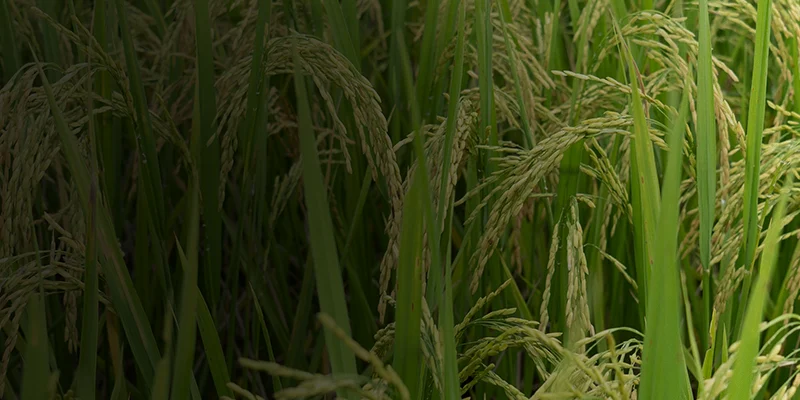
Imidacloprid 0.3% GR is a systemic soil-applied insecticide used primarily in paddy for the control of stem borers and other soil-dwelling pests. It is absorbed by the roots and translocated throughout the plant, providing effective root- and shoot-systemic protection.

Imidacloprid is a neonicotinoid that acts as an agonist at postsynaptic nicotinic acetylcholine receptors in insects, causing overstimulation of the nervous system, paralysis, and death.


Reviews

Reviews

There are no reviews yet.

Add Review
Be the first to review “Imidacloprid 0.3% GR”

Your email address will not be published. Required fields are marked *

Key Benefits

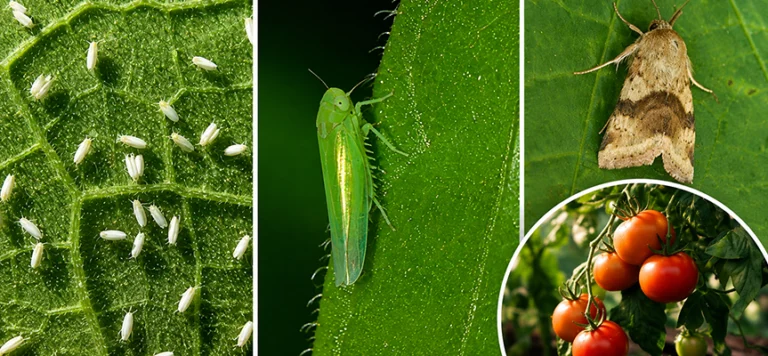
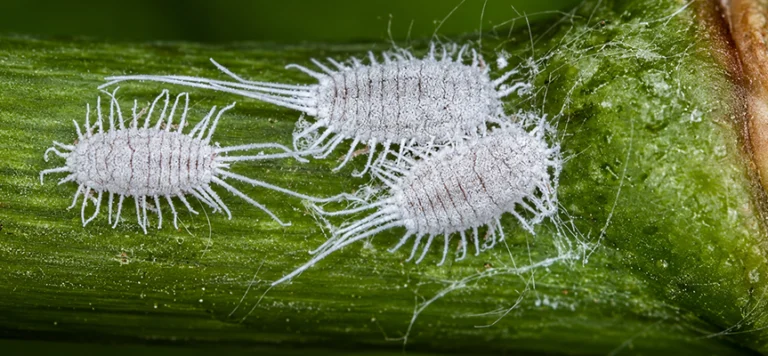
Effective against a broad spectrum of sucking pests such as rice hoppers, leaf and plant

Controls soil insects, including stem borers, termites, and rice water weevils.

Compatible with most pesticides except alkaline materials.

Provides systemic protection with good root uptake and translocation.

Maintains efficacy in rain-prone conditions.

Useful in managing pests with resistance to organophosphates and pyrethroids.

Method of Application & Dosage

Crop(s) Target / Benefit Dosage & Application Guidelines
Paddy Stem borer 15kg/acre

Frequently Asked Questions (FAQS)

What is Imidacloprid 0.3% GR used for?

It is a granular systemic insecticide used to control sucking and soil insect pests in various crops.

Which pests does it control? +

It effectively controls termites, aphids, jassids, whiteflies, and other sucking insect pests depending on the crop.

When should Imidacloprid 0.3% GR be applied? +

Apply it during sowing or crop growth stages as recommended for effective pest management.

What are the key benefits of Imidacloprid 0.3% GR? +

It provides systemic protection, early pest control, longer residual activity, and helps reduce crop damage for healthier crop growth.

How does Imidacloprid 0.3% GR work? +

It is absorbed by plant roots and affects the insect nervous system by disrupting nerve signal transmission, leading to paralysis and death.